Menu




| Country | Shipping method | Delivery time | Price | |
|
|
Airmail service Delivery | 14-21 days | 14.95$ | Tracking# available in 4 days |
| Trackable service Delivery | 9-14 days | 30$ | Tracking# available in 2 days |
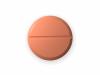
Savella (generic name milnacipran) is a prescription medication used to treat fibromyalgia. It helps manage widespread pain, fatigue, and tenderness by increasing levels of norepinephrine and serotonin in the brain. This page provides SEO‑optimized information about Savella dosage, side effects, precautions, contraindications, drug interactions, missed dose, overdose, storage, and safety disclaimer.
Physicians prescribe Savella to reduce the symptoms of fibromyalgia, a chronic condition characterized by muscle pain, sleep disturbances, and cognitive difficulties. The drug works by balancing neurotransmitters that modulate pain perception, improving physical function and quality of life for patients with fibromyalgia.
Savella is taken orally, usually twice daily. Treatment typically starts with a low dose that is gradually increased to the target dose (often 100 mg twice daily) to minimize side effects. Patients should swallow the tablet with a full glass of water and may take it with or without food as directed by their healthcare provider.
Before taking Savella, inform your doctor about any history of high blood pressure, heart disease, liver or kidney disease, glaucoma, urinary problems, bipolar disorder, seizures, or a history of drug abuse. Avoid alcohol and be cautious when driving, as dizziness may occur. Do not stop the medication abruptly, as withdrawal symptoms may develop.
Savella is contraindicated in patients who are allergic to milnacipran or any inactive ingredients. It should not be used with monoamine oxidase inhibitors (MAOIs) or within 14 days of discontinuing MAOI therapy. The medication is also not recommended for individuals with uncontrolled narrow‑angle glaucoma.
Common side effects include nausea, headache, constipation, increased heart rate, sweating, dry mouth, and dizziness. Serious adverse reactions may involve high blood pressure, serotonin syndrome, liver problems, severe allergic reactions, or suicidal thoughts. Seek immediate medical attention if you experience severe symptoms.
Side effects can be minimized by following the prescribed dosing schedule and reporting any unexpected reactions to your physician.
Savella may interact with other antidepressants (SSRIs, SNRIs, MAOIs), triptans, tramadol, St. John's Wort, and medications that affect blood pressure or heart rate. Always provide a complete list of prescription drugs, over‑the‑counter medications, and supplements to your healthcare provider to prevent harmful interactions.
If you miss a scheduled dose of Savella, take it as soon as you remember unless it is almost time for the next dose. Do not double up on doses; skip the missed dose and continue with your regular schedule.
Signs of Savella overdose may include severe agitation, rapid heartbeat, high blood pressure, seizures, or loss of consciousness. In case of overdose, contact emergency medical services immediately or call your local poison control center.
Store Savella tablets at room temperature, away from moisture, direct sunlight, and heat. Keep the medication in its original container and out of reach of children and pets.
This information is provided for general educational purposes and does not replace professional medical advice. Always consult a qualified healthcare professional before starting, stopping, or altering any medication regimen. The publisher is not responsible for errors, omissions, or consequences arising from the use of this content.


