Menu





| Country | Shipping method | Delivery time | Price | |
|
|
Airmail service Delivery | 14-21 days | 14.95$ | Tracking# available in 4 days |
| Trackable service Delivery | 9-14 days | 30$ | Tracking# available in 2 days |
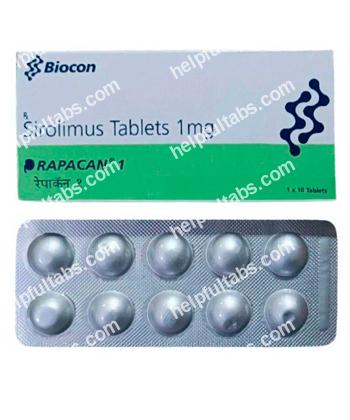
Rapamycin (sirolimus) is an immunosuppressant medication most often prescribed to prevent organ‑rejection after kidney transplantation. It works by inhibiting the mTOR pathway, which helps control immune activity and is also used in the treatment of certain rare lung disorders such as lymphangioleiomyomatosis (LAM).
Common uses of rapamycin include:
Take rapamycin exactly as directed by your healthcare provider. Typical instructions are:
Before starting rapamycin, inform your doctor if you have:
Because rapamycin can increase infection risk and slow wound healing, avoid live vaccines while on the medication. Regular blood tests are required to monitor drug levels, kidney function, and lipid profiles.
Do not use rapamycin if you are allergic to sirolimus or any ingredient in the formulation. It is also not recommended to combine rapamycin with other strong immunosuppressive regimens without specialist supervision.
Common side effects include:
Serious side effects may involve delayed wound healing, lung problems, swelling, blood clots, kidney dysfunction, or severe allergic reactions. Seek immediate medical attention if any severe symptoms develop.
Rapamycin can interact with medications that affect liver enzymes, such as certain antibiotics, antifungals, antivirals, anticonvulsants, and herbal products like St. John's wort. Avoid grapefruit or grapefruit juice, as it can dramatically alter drug levels. Always disclose all prescription drugs, over‑the‑counter medicines, and supplements to your doctor.
If you remember a missed dose shortly before the next scheduled dose, skip it and continue with your regular schedule. Do not double up to make up for a missed dose.
Signs of overdose may include severe infection, tremors, dizziness, stomach discomfort, or abnormal laboratory results. If an overdose is suspected, contact emergency medical services right away.
Store rapamycin at room temperature, away from heat, moisture, and direct light. Keep the medication in its original container, tightly closed, and out of reach of children and pets.
This information provides general guidance on rapamycin and is not a substitute for professional medical advice. Always follow the instructions of your healthcare provider and discuss any questions or concerns with them before making changes to your treatment plan.


